Lamezia, 220 hours of costume tailoring for film: corsets and panniers from historical patterns
The costume tailoring course in Lamezia Terme has wrapped: 14 students, 220 free hours, one corset and pannier each and four eighteenth-century dresses from historical patterns.
✨ AI Summary
The Corso di sartoria e costumi per il cinema e l'audiovisivo closed on 13 November in Lamezia Terme, in the spaces of the Fondazione Terina. It had started on 28 September and trained 14 women living in Calabria, chosen through a public call, over 220 hours of free tuition split between classroom lessons and workshops. Each of them made her own corset and pannier, and the class, divided into four groups, built four eighteenth-century dresses from historical patterns. The course was promoted by Fondazione ANICA Academy ETS and Fondazione Calabria Film Commission, with the patronage of ASC.
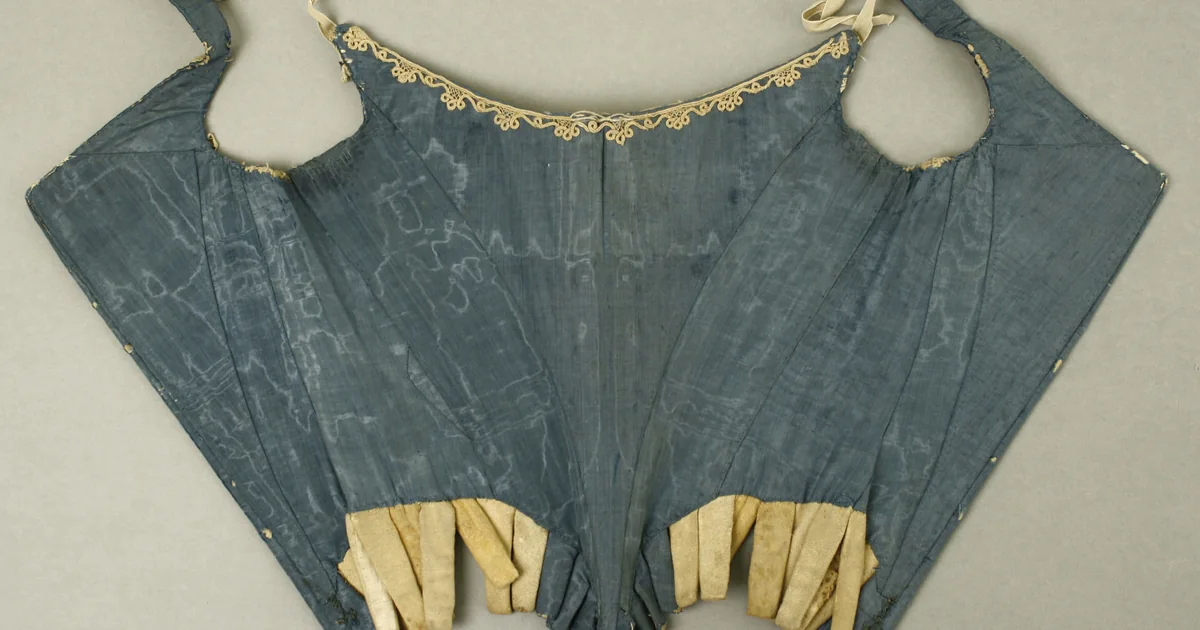
The technical sheet of the course is in its hours and garments. The classroom part covered how a film set works, historical research, the running of a costume department and budget management; the practical part came out as corsets, panniers — the frames that widened a skirt at the hips in the eighteenth century — and four eighteenth-century dresses cut from historical patterns. In the cutting workshop led by Esther Kowalski, according to the outlets that covered it, each student made her own corset and pannier, while the class, split into four groups, worked on one period dress per group. These are reconstruction garments, not runway pieces: they are made for a scene, for an extra, and for a department that has to dress people quickly.
Set professionals taught on the course. Costume designer Isabelle Caillaud covered the organisation and budget of a costume department, historical research and textiles; with costume designer Sabrina Beretta the programme widened to the history of dress through painting, ageing and dyeing techniques, embroidery and period moodboards; producer Andrea Stucovitz introduced the class to how a set works and to reading a screenplay. On 3 November the students took part in a masterclass by costume designer Nicoletta Taranta, who walked them through her work using set photographs, sketches and film sequences.
The programme is meant to bridge school and crew: historical research supplies the source, the pattern turns it into labour, and the budget sets what a shoot can spend. The same craft logic runs through other stories in the network, such as Canali's project with contemporary art in Milan.
The closing day featured Anton Giulio Grande, president of the Calabria Film Commission, its director Giampaolo Calabrese and Sergio Del Prete, director of ANICA Academy ETS. Fabrics and the students' names are not given.
Source note: dates, hours, teachers and garments are taken from Il Crotonese, confirmed by RaiNews TGR Calabria.